Page 4 - Ancient Coins
- Posted: March 13, 2023
 Read more »
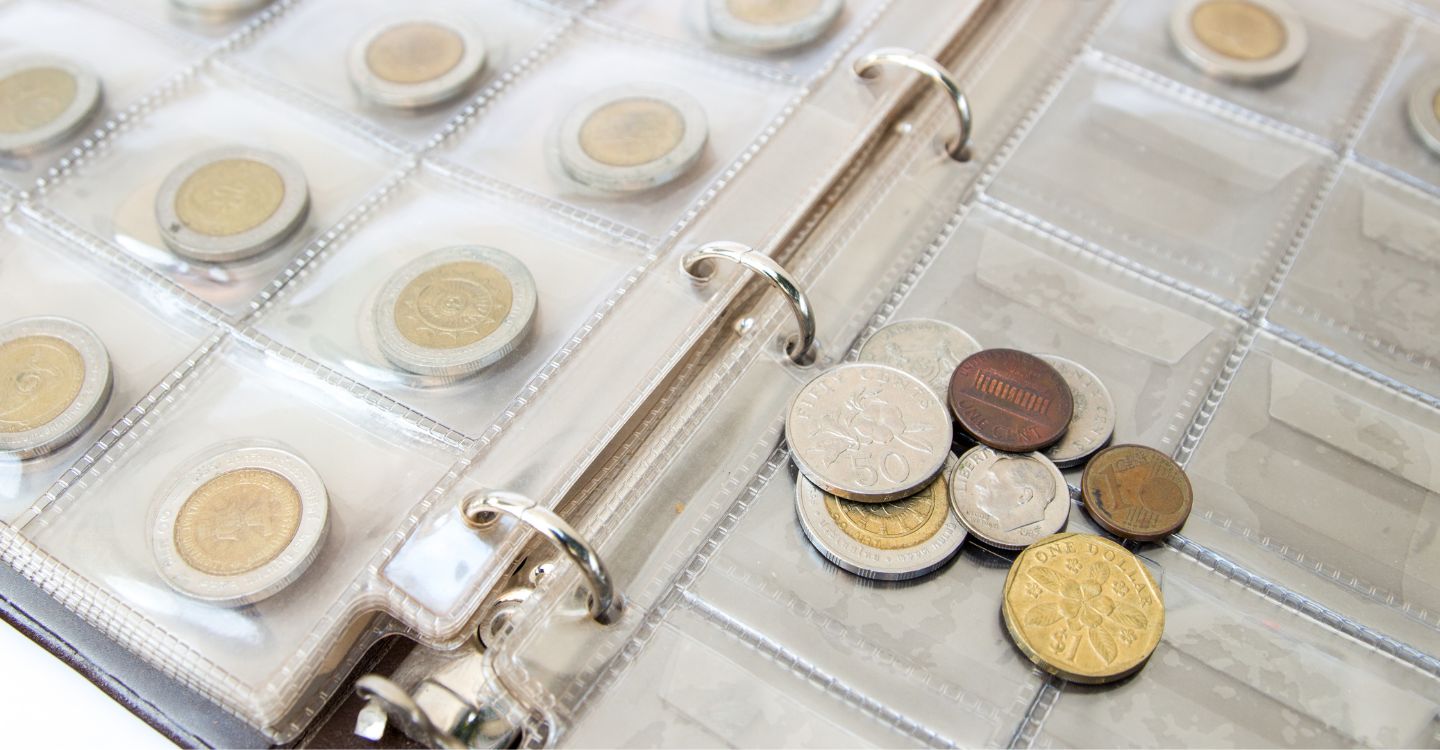
Want to get into coin collecting? It can be a gratifying and educational experience that could ultimately make you some money. Coin collecting is not as easy as it seems, however, and it can take years to become a skilled rare coin collector. However, we here at Austin Rare Coins and Bullion want to help you with strategies and advice for the novice collector. We do it by advising you and helping you each step of the way on how to get started.
Be Patient
In a world of immediate gratification, it can be easy for someone to stop coin collecting just as fast as they start. This is due to how long it can take to
- Posted: February 11, 2023
 Read more »
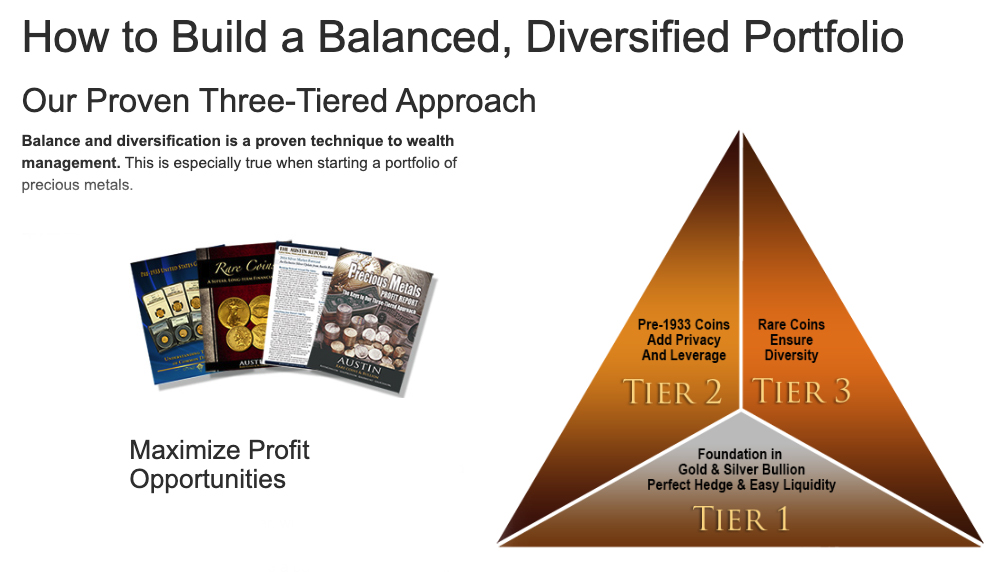
Precious metals are the ideal way to diversify your investment portfolio in 2023. First of all, diversification is an important aspect of investment portfolio management. It helps reduce risk and increases the potential for returns. In 2023, many investors will have considered adding different types of precious metals to their portfolios. Meanwhile, by diversifying, they can potentially enhance investment returns.
Secondly, precious metals, such as gold and silver, have a long history of being used as a store of value. Notably, in times when there is heavy inflation, economic uncertainty, or market volatility. Consequently, precious metals are seen as safe-haven assets because they're not directly tied to the performance of equities. Therefore, they do not necessarily follow other financial markets.
In addition
- Posted: February 07, 2023
 Read more »
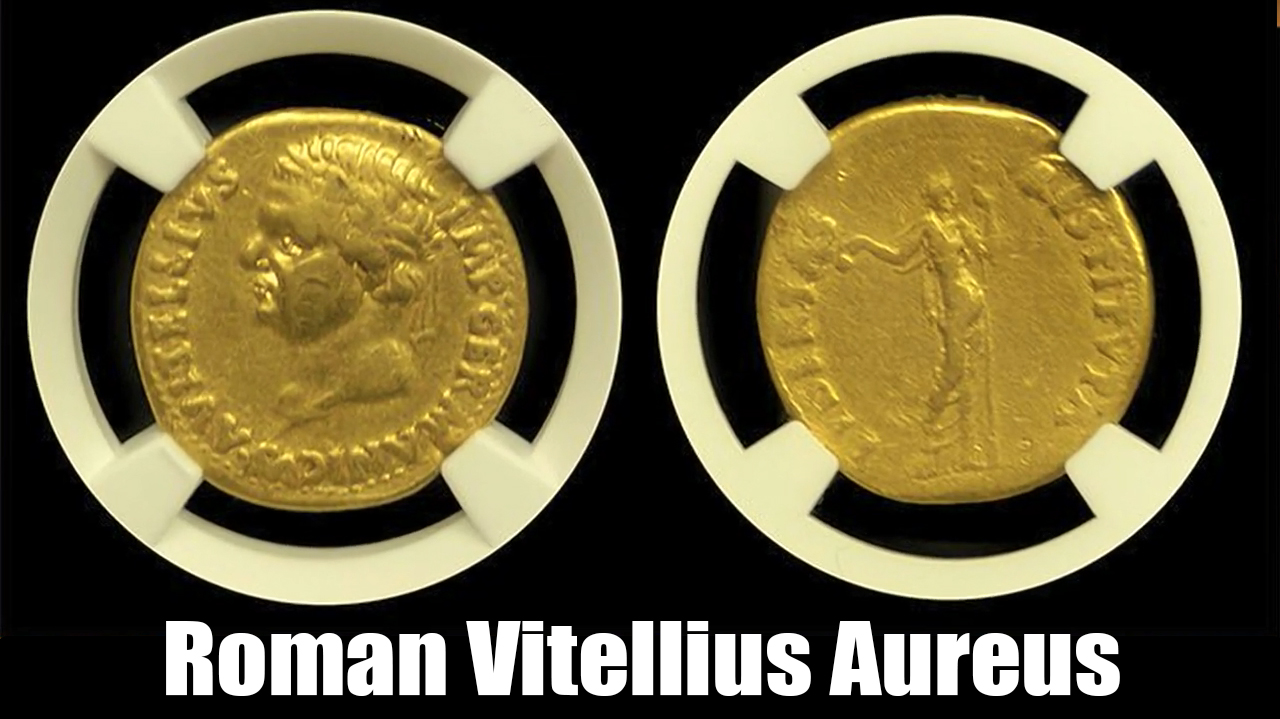
Emperor Vitellius' lavish lifestyle was known throughout the Roman Empire. He was the Roman Emperor for only 8 short months from 69 AD to his death in 79 AD. In fact, he is known as the shortest-reigning emperor of the Roman Empire.
Emperor Aulus Vitellius was born in AD 15 and came from a wealthy family in northern Italy. After the civil war known as the Year of the Four Emperors, he was crowned emperor. Moreover, his reign was marked by conflict and unrest. Emperor Vitellius was eventually defeated by the forces of Vespasian, who became the next emperor. Vitellius' rule is often considered a low point in the history of the Roman Empire and is known for its excess and lack of stability.
Gambling and gluttony, two vices associated with Vitellius, would be crucial to his future. Emperor Galba made the unpopular choice to designate him as governor of Lower Germany in 68
- Posted: January 13, 2023
 Read more »
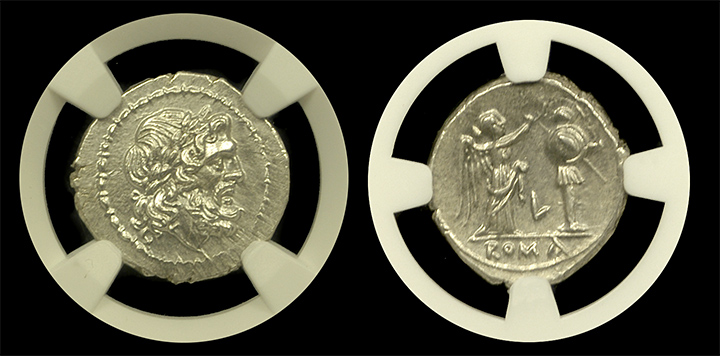
Rome and Carthage engaged in three Punic wars. Punic, a late variety of Phoenician, is a language that is used to refer to Carthage or the Carthaginians. Hannibal's route across the alps during the second Punic war is probably the most remembered. But, for a long time, these two major powers in the western Mediterranean fought for supremacy. In fact, huge losses on both sides occurred.
The Mediterranean island of Sicily and its surrounding waters served as the primary theater of the First Punic War, which took place over a 23-year period (264–241 BC). Meanwhile, they also fought in North Africa. After such a prolonged struggle the first Punic war ended in a loss for Carthage. However, Carthaginians were still itching to fight the Romans. Carthage suffered extensive economic losses in Sicily. They, therefore, had to come up with a plan to strengthen its faltering economy.
- Posted: November 30, 2022Categories: Ancient Coins
 Read more »
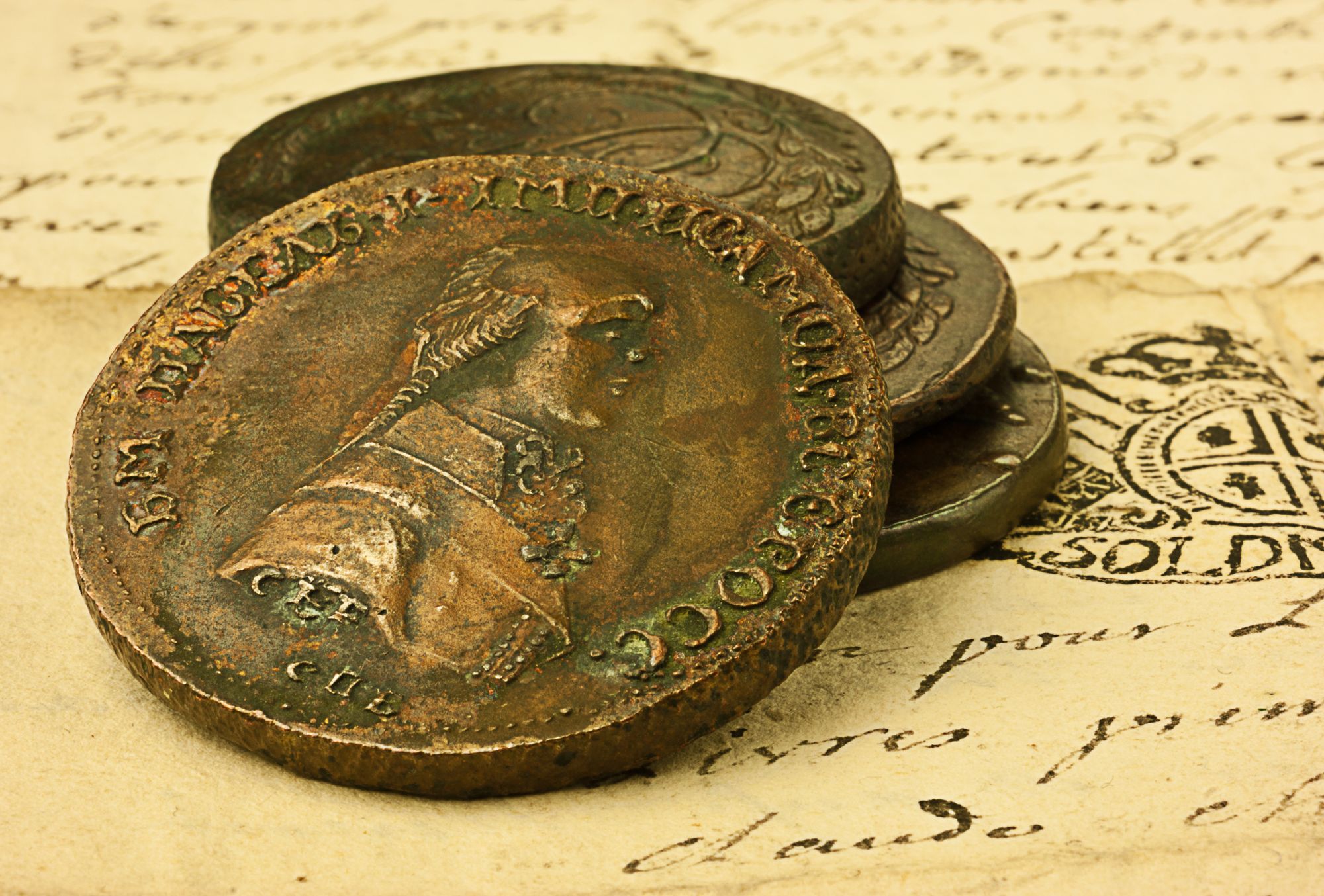
If you’ve shopped with Austin Rare Coins & Bullion before, you’re likely well on your way to generating top-notch returns from precious metal investments. But what if you’re interested in examining various rare coins? That’s where our ancient coins come in. In fact, they are an exciting opportunity for investors and collectors alike. In this blog, our team is going to share why acquiring ancient coins might be the right move for you. So, read on and check out our store to begin!
- Posted: October 28, 2022
 Read more »
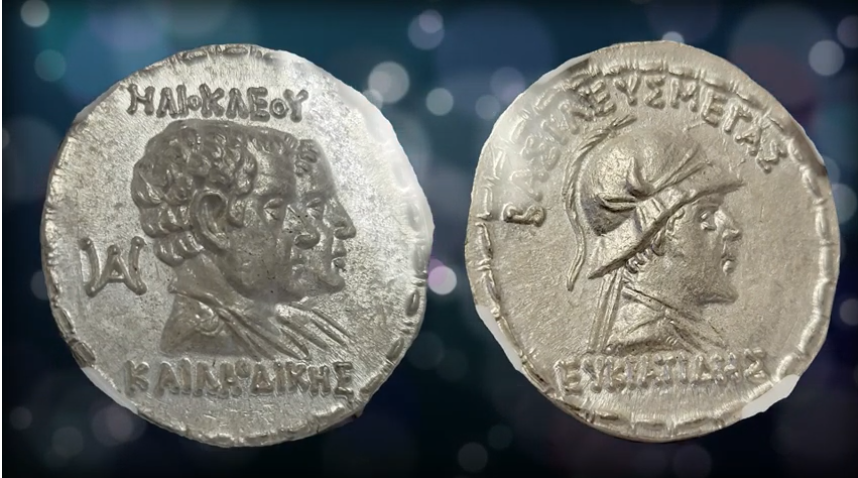
Many ancient coin investors do not know very much about the Greco-Bactrian Kingdom founded in 256 BC. Who knew this Persian area was once a Hellenistic-era Greek state? Surprisingly, known as the "land of a thousand golden cities". In fact, the capital Bactra was one of the largest and richest cities of the ancient world.
This ancient kingdom covered what is today Afghanistan, Uzbekistan, Tajikistan, and Turkmenistan. It also covered parts of Iran and Pakistan. It is fair to say it covered most of the Indian subcontinent. Bactria covered the easternmost part of Alexander The Great's conquered territory.
General Seleucus, I took over - Posted: October 20, 2022
 Read more »
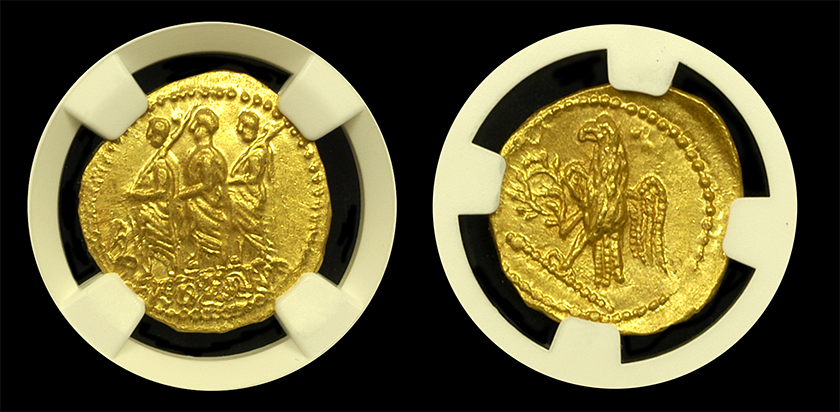
When talking about groups of people in ancient times some people wonder "who were the Thracians?" It is curious that many don't know much about them even though they were an Indo-European people who dominated a large area of Eastern Europe. They inhabited what today is modern day Bulgaria, Turkey and Greece. In fact, they occupied this area for much of antiquity.
We can find some of the earliest literary references of the Thracians from the Iliad. The epic poem of Homer referenced the Trojan War and King Rhesus who was a local Thracian ruler. The problem about Thracians is that they were divided between multiple tribes. They all had their own tribal identity and basically did things differently. Interestingly, The Thracians did not describe themselves by name. The term Thrace and Thracians were names given to them by the Greeks.
- Posted: September 28, 2022
 Read more »
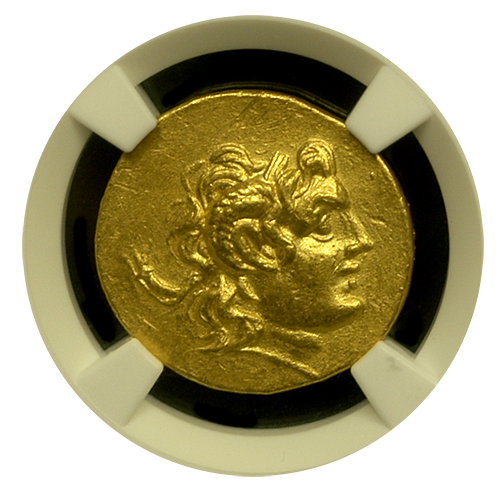
Was Thrace influenced by Greece & the Macedonian Empire? It is a fact, Thrace was conquered by Philip II, king of Macedonia. This occurred in the 4th century BC. Once Philip the II died Thrace became a part of the great kingdom of Alexander the Great. Following Alexander’s death, his empire was divided among his generals, who established independent kingdoms including Thrace.
Lysimachus, who reigned from 323 to 281 BCE, was the general who succeeded Alexander as the ruler of Thrace. According to Herodotus, an ancient Greek historian, Thrace was highly influenced by Greece and the Macedonian Empire's culture. But, were they?
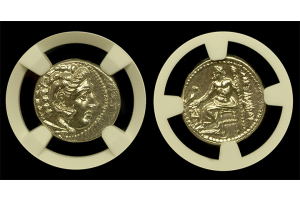
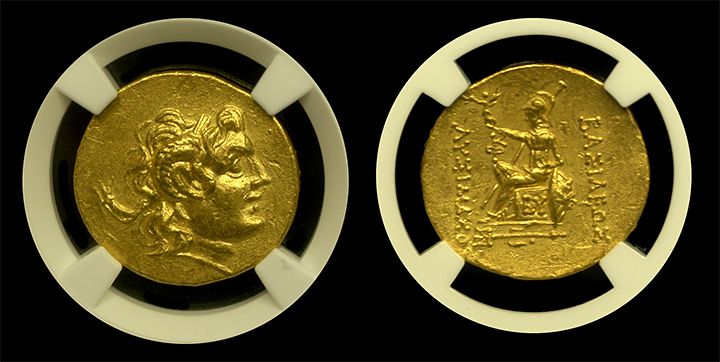
Yes, Thracian coinage gave homage to the once great leader of the Macedonian Empire. The Thracians under the leadership of Lysimachus used Alexander's portrait on the front of their coins. However, on the back - Posted: September 23, 2022
 Read more »
Was Thrace influenced by Greece & the Macedonian Empire? It is a fact, Thrace was conquered by Philip II, king of Macedonia. This occurred in the 4th century BC. Once Philip the II died Thrace became a part of the great kingdom of Alexander the Great. Following Alexander’s death, his empire was divided among his generals, who established independent kingdoms including Thrace.
Lysimachus, who reigned from 323 to 281 BCE, was the general who succeeded Alexander as the ruler of Thrace. According to Herodotus, an ancient Greek historian, Thrace was highly influenced by Greece and the Macedonian Empire's culture. But, were they?
Yes, Thracian coinage gave homage to the once great leader of the Macedonian Empire. The Thracians under the leadership of Lysimachus used Alexander's portrait on the front of their coins. However, on the back "Lysimachus - Posted: August 20, 2022
 Read more »
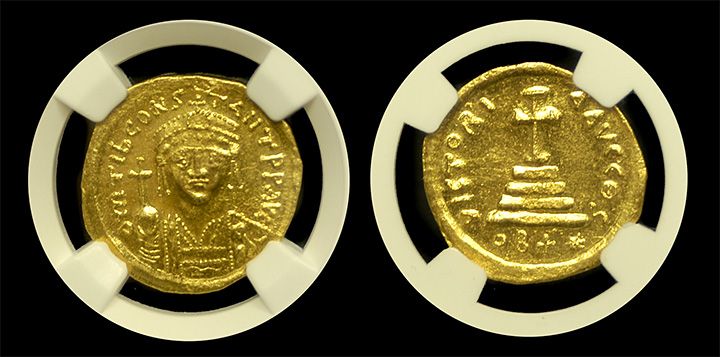
As far as the history of rulers of the Byzantine Empire, Tiberius II was a good emperor. Tiberius II ruled as an Eastern Roman emperor from 574 to 582. He ruled Byzantine Empire under the Justinian dynasty and proved himself to be a capable administrator that was well loved by his people.
During the Justinian Dynasty Tiberius II rose to power in 574 when Justin II started to have a mental breakdown. Justin the II had adopted Tiberius as his own son and proclaimed him Caesar. In fact, in 578 the dying Justin II gave Tiberius the title of Augustus and becoming co-emperor alongside him. Tiberius became sole ruler less than two weeks later. Subsequently, Tiberius took the regnal name of "Constantine" under which he reigned until his death.