Page 5 - Ancient Coins
- Posted: August 06, 2022
 Read more »
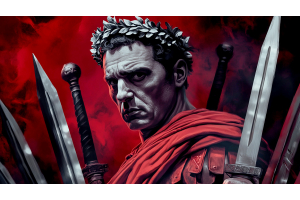
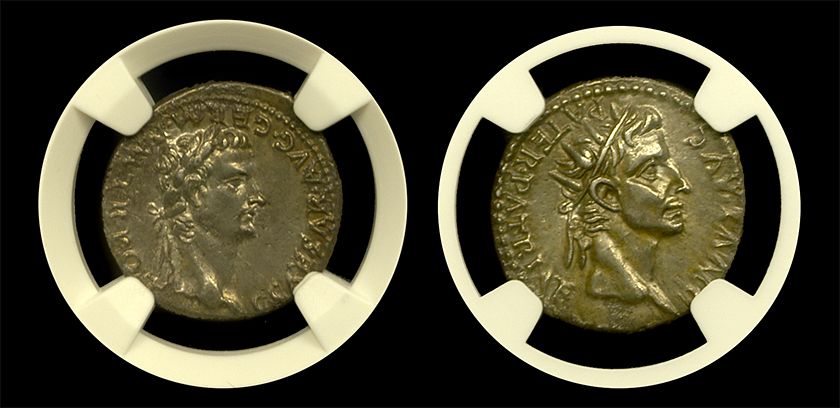
Roman Emperor Caligula is remembered as being the cruelest roman emperor. No one can say exactly why he was so cruel. Some speculate, that it was because he fell ill of syphilis 6 month into his reign. Whatever the reason, he never recovered mentally and became a ruthless leader.
Caligula's cruelty lasted during his four-year reign from 37-41 AD. In fact, he became so ruthless that no one was safe, including his family. Some even refer to Caligula as the mad emperor. In short, his cruelty, sadism, extravagance, and sexual perversion was nothing short of the actions of an insane tyrant. For instance, he made his horse a member of the senate and slept with or killed every member of his own family.
There are others who believe Caligula's excessive cruelty is exaggerated - Posted: July 22, 2022
 Read more »
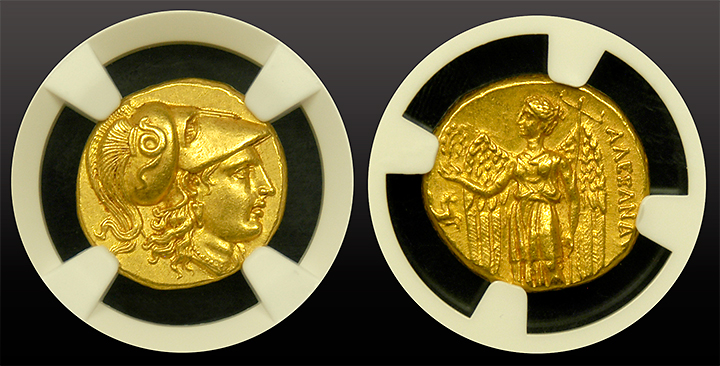
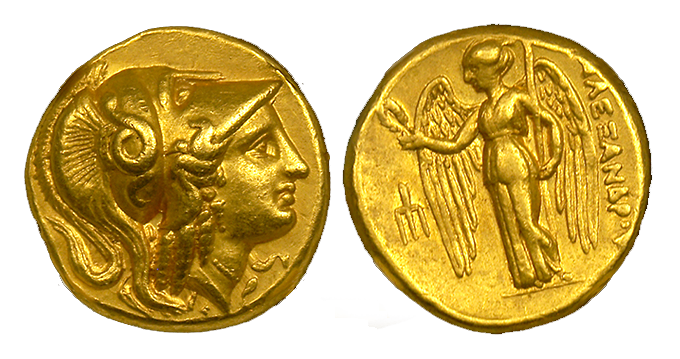
The world’s first coins were minted in ancient Lydia. Lydia's King Croesus became the first ruler to separate gold from other metals. He issued the world's first pure gold and pure silver coins. The Persian Empire, also known as the Achaemenid Empire, took up the idea of coinage upon defeating King Croesus in 547 B.C. However, it wasn't until Alexander the Great of the Macedonian Empire, who conquered the Persian Empire, that the first international currency evolved. In fact, some believe that Alexander was the father of the first international currency.
Alexander ascended to the throne in 336 BC following the assassination of his father Philip II. He became king at the very young age of 20. In addition, Alexander adopted the Attic coinage standard. Unfortunately, Alexander spent his ruling years conducting lengthy military campaigns and really didn't get to enjoy his conquest much. He was always too busy conquering more lands throughout Western Asia and Egypt. - Posted: July 12, 2022
 Read more »
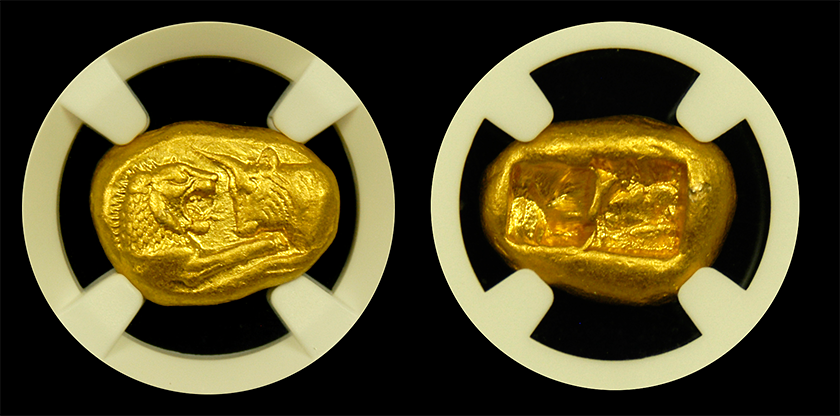
King Croesus renowned wealth became synonymous with his own name. The saying "rich as Croesus" originated in reference to his absurd affluence. Subsequently, Croesus reign became associated with the invention of coins as currency. Before Croesus became King, his father Alyattes had already started to mint various types of non-standardized coins. However, Croesus took it one step further. By developing an innovative refining process and standardizing the specific sizes as well as the purity for general circulation, King Croesus advanced both silver and gold.
In other words, Croesus created intrinsic value deriving from a certain quantity of gold or
- Posted: June 03, 2022
 Read more »
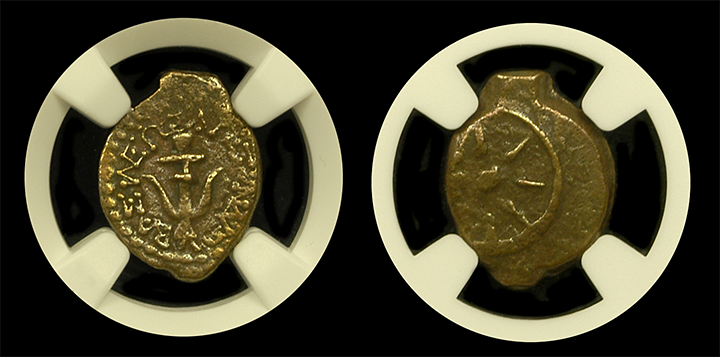
New Testament has reference to Biblical-Era Judean Bronze Prutahs coins. These coins had a more common name due to a very well known biblical story.
42 And there came a certain poor widow, and she threw in two mites, which make a farthing.44 For all they did cast in of their abundance; but she of her want did cast in all that she had, even all her living.
- Posted: March 11, 2022
 Read more »
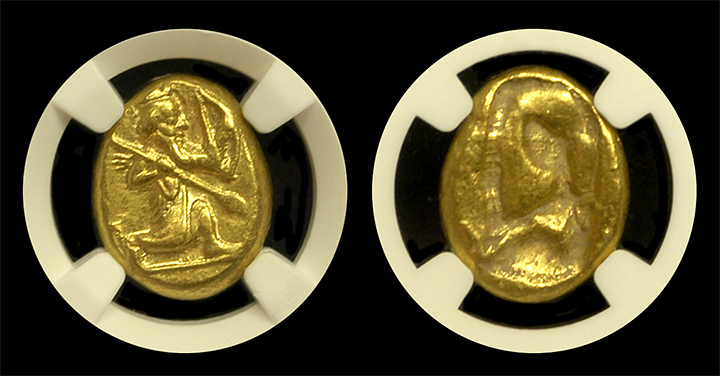
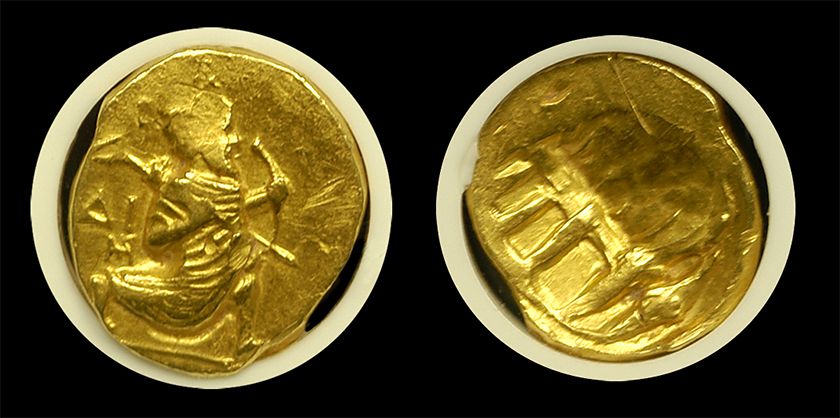
The Persian Empire was a series of imperial dynasties centered in modern-day Iran. It spanned from 559 B.C. to 330 B.C. The Wealth of the Persian Empire was because they were the first empire to embrace a monetary system. They bought and trading goods with coinage and were also the first to collect taxes in coins. These factors led the Persian Empire to thrive and Persian Kings to be fabulously wealthy. This wealth enabled Persians to build superior roads. In fact, their roads linked major trade partners and massive architectural wonders within their Empire
Great leaders of the Persian Empire, also known as the Achaemenid Empire, included Cyrus the Great, Darius, and Xerxes. In addition, other family members ruled the Achaemenid Dynasty. These great leader were the first in the world to embrace a monetary system and created wealth
- Posted: February 19, 2022
 Read more »
The Persian Achaemenid Empire ruled Babylon for about two hundred years. They were the first super power of the ancient world. Their vast empire reached from India down to Egypt and all the way up to the northern border of Greece. The Achaemenids were an unstoppable force until Alexander did the unthinkable. Alexander the Great conquered Babylon and defeated the Achaemenids in 331 BCE. Alexander's actions change the entire ancient world.
Alexander learned to be a great leader and powerful imperialist from his father Philip II. He also learned to be a battle strategist. Moreover, he knew what the odds would be against an outmatched manpower. But, despite the odds Alexander relied on speed and distraction to achieve victory after victory. Subsequently, Alexander the Great
- Posted: December 10, 2021
 Read more »
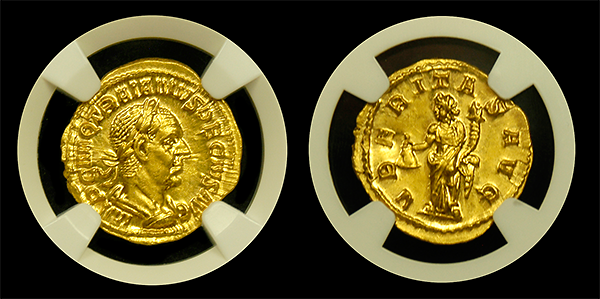
Gaius Messius Quintus Trajanus Decius, commonly referred to as Trajan Decius, ruled Ancient Rome from 249 to 251 AD. Roman Emperor Trajan Decius wanted to restore Rome to its former glory and ancient traditions. Therefore, he decreed the Decius' edict. This was a proclamation for Empire-wide loyalty. The Decius' edict meant that all Roman citizens needed to make a sacrifice to Rome's gods or face torture, execution and seizure of assets.
Moreover, Christian belief would not allow for them to worship any other god. As a result, Emperor Trajan Decius cracked down harshly on those he believed were undermining the ancient traditions of Rome. Consequently, they were persecuted and tortured. Even Pope Fabian was killed! By the end of Decius'
- Posted: November 11, 2021
 Read more »
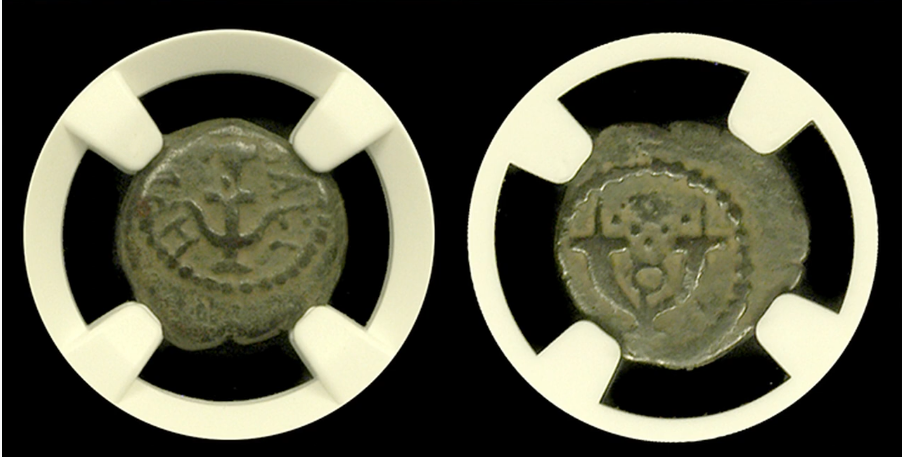
Pontius Pilate was Governor of Judea from 26-36 AD under the Roman emperor Tiberius. He is one of the most infamous men in history because he gave the command to have Jesus Christ crucified.
The New Testament describes Pontius Pilate as a wavering judge. It says that Pilate initially exonerated Jesus before bending to the will of the crowd, and condemning him to death. But non-Biblical sources paint a much darker picture of the Governor of Judea. His reign was corrupt and full of bribery. Although this was typical behavior for a Roman Ruler, Pilate was more ruthless than others as he also willfully defied the Jewish people's traditions.
Pontius Pilate Bronze Prutah
- Posted: October 29, 2021
 Read more »
Philip III King of Macedon was the son of Philip II. Alexander the Great, also known as Alexander III, was also the son of Philip II. Philip III's actual name at birth was Arrhidaeus and his mother was Philinna of Larissa. Philip III didn't ascend to the Macedonian throne until after the death of Alexander III. Even though Philip III was older than Alexander he was overlooked because he was half-witted and an illegitimate son. Philip III ended up merely serving as a figurehead. He was only placed king as a pawn and out of necessity. It was Alexander III who claimed the throne right after his father’s bodyguard assassinated him. In fact, Alexander killed all his rivals before they could challenge him. However, he took Arrhidaeus under his wing because he was very fond of him. Alexander even brought his older brother on campaigns in order to protect his life.
The Death of Alexander the Great
When Alexander the Great died on June 10 323 BC a crisis ensued. Who would be Macedonia’s new king? Philip Arrhidaeus had to become the candidate even though he was mentally challenged. Alexander III's wife Roxana was pregnant and was waiting to give birth to their son. He was to become the eventual heir to the throne and was to be named Alexander IV. It was decided that Philip III would reign as the appointed regent. He would be Philip III of Macedon in name only until the new Alexander IV would become old enough to rule. Philip III King of Macedon did not have a long lasting reign. Only 6 years after becoming King he was murdered by Alexander III's mother, Olympias. She put to death Philip Arrhidaeus and his wife Cassander due to her using her husband to advance her own cause. Cassander’s brother and a hundred of his partisans who were conspiring with Cassander were also killed. This cleared the path for Alexander IV to become Macedonia’s rightful new king.
- Posted: October 12, 2021
 Read more »
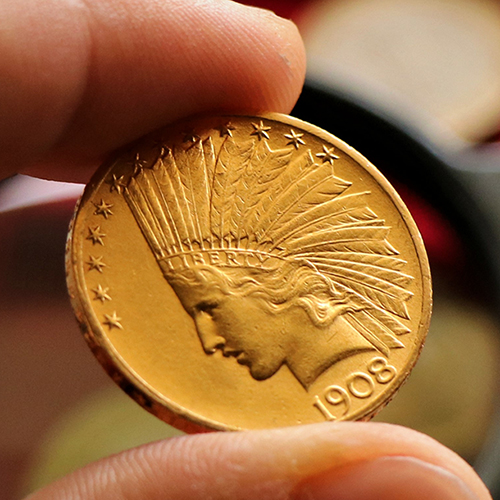
Coin collecting is not only a rewarding and enjoyable hobby, but if done properly, coin collecting can also be profitable. In this report and the video below, we will share some of the most important things to keep in mind when coin collecting. This is in order to maximize the rewards of assembling a profitable collection, regardless of your budget.
- The first thing is to make sure that you’re collecting an area with a solid base of other collectors. You can have the rarest coin in the world, but if nobody else wants it, then it's unlikely to see much appreciation.
- Make sure you own coins that are attractive. To clarify, a great looking coins will always catch the eye of a potential buyer.
- Make sure you acquire and own coins