Page 4 - Rare World Coins
- Posted: May 13, 2022
 Read more »
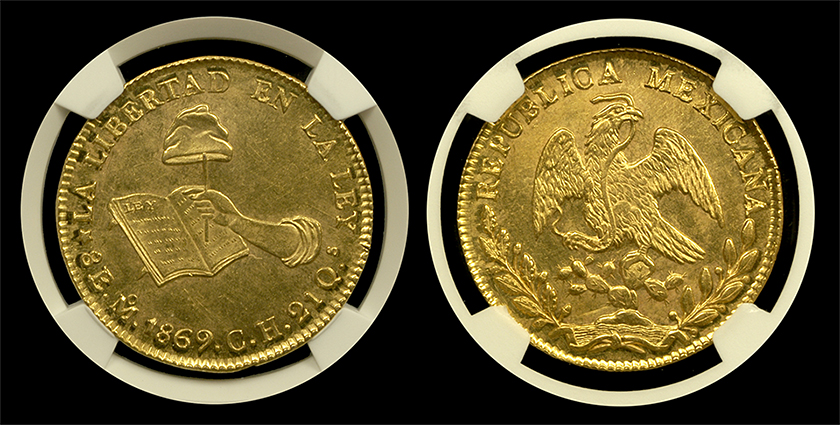
Mexico first declared Independence from Spain in 1810. To clarify, this happened on September 16th, 1810. Before then this area was more commonly referred to as New Spain. The declaration of Independence led to a 11 year war against Spain. Unfortunately, it wasn't until August 24, 1821 that Spain finally recognized Mexico's Independence.
This was the dawn of the once New Spain turning into the new Mexican Empire. Gone were the days of the Spanish Catholic monarchy. A new federal republic was finally declare and by 1924 they codified Mexico's new Constitution. It is important to note, there were some reattempts by Spain to re-concur New Spain. However, by 1836 Isabella II and Spain finally fully recognized Mexico's independence.
- Posted: May 02, 2022
 Read more »
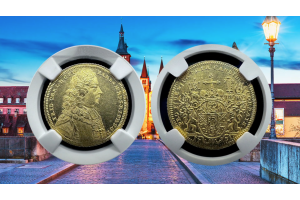
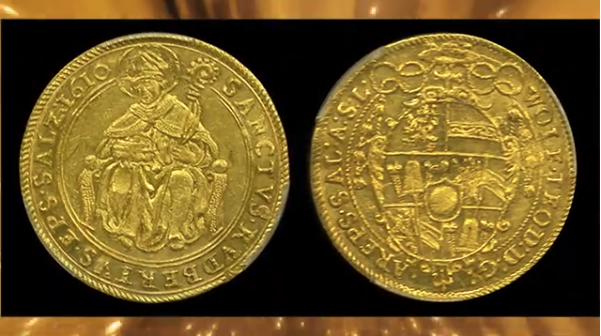
Many collectors wonder what an Austrian Ducat is worth. It is important to first understand what an Austrian Ducat coin actually is. The Ducat became a popular world traded coin. It was first introduced in the late 13th Century. However, it was the Venetians who introduced the coin.
Austrian Gold Ducats are large gold coins valued by investors for several reasons. First of all for their 98.60% fineness weighing 3.44 grams. Secondly, these circulated coins were the highest purity gold coins to be issued prior to the late 20th Century. Therefore, during the 1400s international traders in Western Europe changed from using florins to ducats as the preferred currency.
It is important to note, Ducats come it different sizes in different countries in Western Europe. Today
- Posted: April 27, 2022
 Read more »
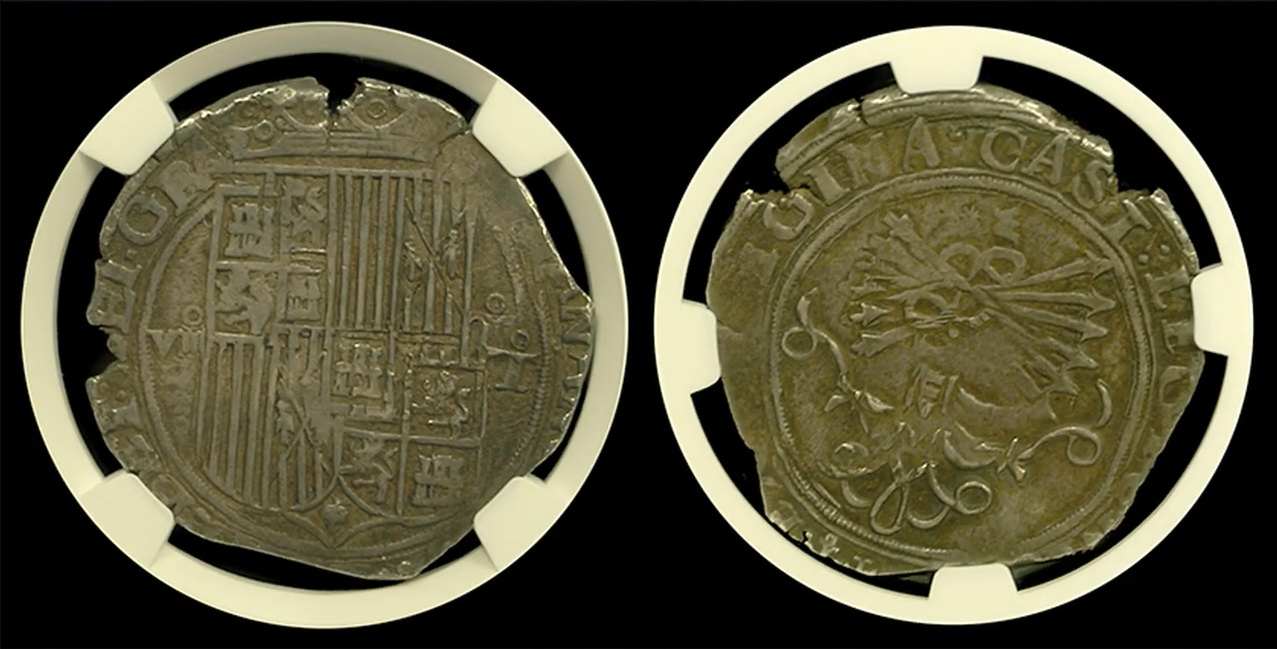
To fully understand how the very first Spanish Silver 8 Reales was created you have to understand a little Spanish history. From 1475 to 1500 Spain was in a time of transition. It was the beginning of one of the largest empires in history known as the Spanish Empire or Hispanic Monarchy. In addition, it was the formation of the dynastic union between Isabella I of Castile and Ferdinand II of Aragon. Basically, the king and queen of the Crown of Castile and the Crown of Aragon forming a joint reign. The young couple got married on October 19, 1469. She was 18 years old and he was only seventeen.
Both signed a document in 1475 called the Concord of Segovia. In short, this is where the real transitioning of power began. In other words, both of them would have the same power in managing their - Posted: January 14, 2022
 Read more »
Hard Money Investor - The Precious Metal Industry's Leading Magazine is a must-read for anybody interested in actual precious metals. Furthermore, our groundbreaking newsletter will provide you with:
- Clear, Concise, and Timely Market Intelligence
- Reliable and Straightforward Economic Analysis
- Insider Information You Won’t Find Anywhere Else
Clients often ask us for timely, up to the minute, news on the economy. Above all, as we enter the new decade, they want to know about precious metals. In fact, our unique insider information can help you in many ways to make wise financial decisions
The Hard Money Investor, the latest publication of Austin Rare
- Posted: December 17, 2021
 Read more »
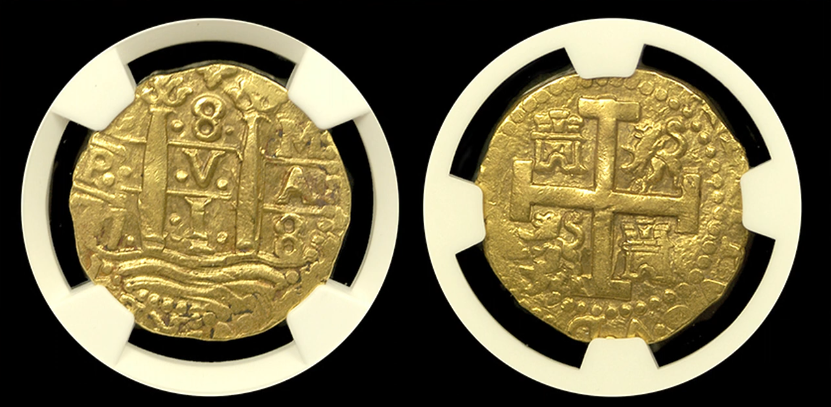
Spanish Colonial gold coins salvaged from the 1715 Fleet off the east coast of Florida are called Gold Cobs. Gold Cobs are the original Doubloons. Therefore, the Doubloon is a solid gold coin. Even though the Spanish called their gold coins Escudos, Doubloon became the nickname for a two Escudo coin. In addition, the word Doubloon is actually taken from pirates calling these two Escudos "double-one," which turned into “Doubloon.”
As commerce increased between North America and South America so did the need for coins. Spanish Gold Cobs were minted from the early 1600s to the early 1800s. They were minted in Bolivia, Chile, Columbia, Guatemala, Mexico, and Peru and were circulated as far
- Posted: October 12, 2021
 Read more »
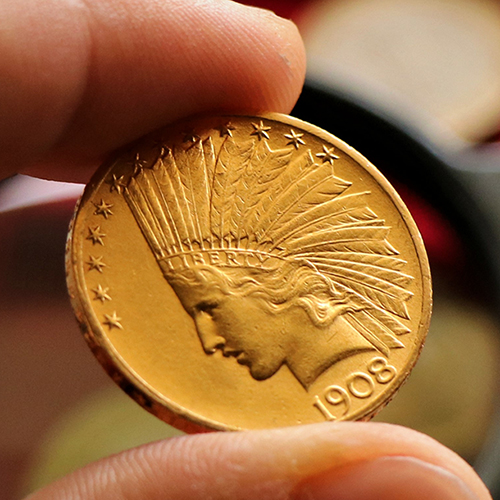
Coin collecting is not only a rewarding and enjoyable hobby, but if done properly, coin collecting can also be profitable. In this report and the video below, we will share some of the most important things to keep in mind when coin collecting. This is in order to maximize the rewards of assembling a profitable collection, regardless of your budget.
- The first thing is to make sure that you’re collecting an area with a solid base of other collectors. You can have the rarest coin in the world, but if nobody else wants it, then it's unlikely to see much appreciation.
- Make sure you own coins that are attractive. To clarify, a great looking coins will always catch the eye of a potential buyer.
- Make sure you acquire and own coins
- Posted: July 16, 2021Categories: Rare World Coins
 Read more »
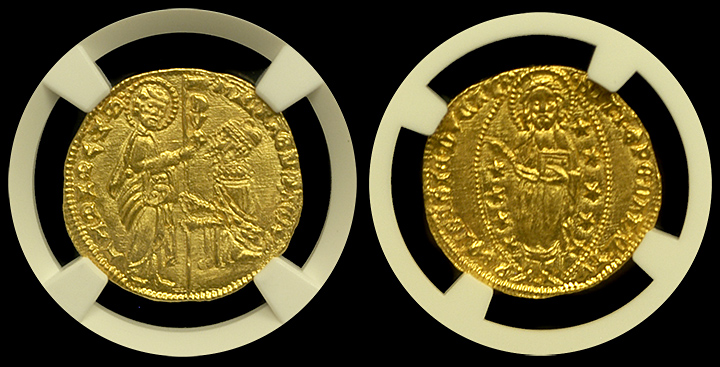
When someone asks us how much is a Venetian Ducat worth? We always have to ask what condition the coin is in and how old it is. For instance a Venetian Ducat from 1400-1413 in Mint State 67 are extremely rare and worth a lot of money. In fact, only 9 are known to be in such a pristine condition. Plus, there are only 141 of these coins even graded. Coins like this were produced in the eastern Mediterranean regions south and east of Venice.
A Venetian Ducat, ND. Michele Steno, 1400-1413 features Doge kneeling before the standing figure of St. Mark on the obverse. Christ standing within stars and holding the gospel is on the reverse. The coin we are featuring in the video below has a perfectly centered sharp strike, full luster, and absolutely beautiful. NGC has certified this magnificent coin to be in MS-67 condition.
- Posted: April 06, 2021Categories: Rare World Coins
 Read more »
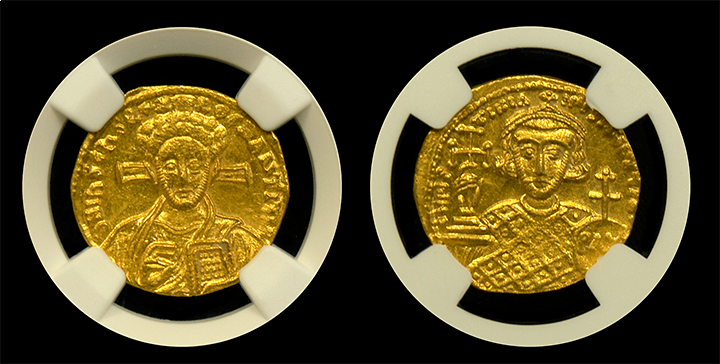
The Roman Empire began fragmenting in the 5th century AD. However, as the Western Empire fell in c. 376-476, the Eastern Roman Empire began to thrive. The name Byzantine Empire, or Byzantium became more popular than calling it the Eastern Roman Empire. There was also a clear power shift from Rome to the new capital city of Constantinople. In short, it was the beginning of a new era. The age when the Byzantine Empire Gold Solidus became a symbol of this new dynasty. One that would last for over a thousand years. Ultimately, falling to the Ottoman Empire in 1453.
Christianity became the official religion. This caused a major cultural shift. In addition, the official language changed from Latin to Greek. All of this, because the Eastern Orthodox church became the dominant power.
- Posted: March 17, 2021
 Read more »
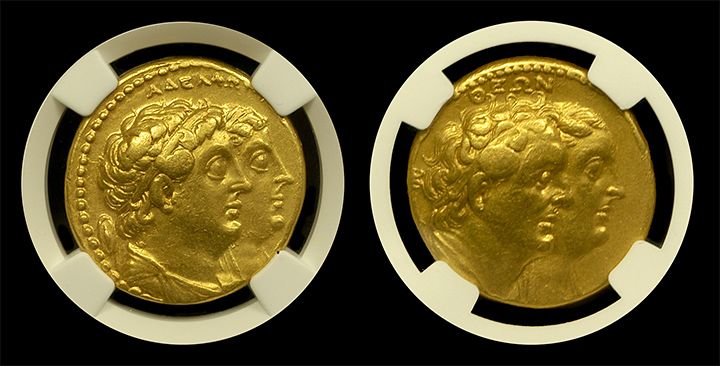
Many customers ask us, "What is the largest ancient gold coin?" We tell them, you’ve come to the right place! Only one ancient gold coin struck holds that title. The Gold Octodrachm was by far the largest gold coin ever struck in the ancient world. These heavy weights were a most common denomination of its day. Importantly, other large denominations like the tetradrachm (four drachms), the pentadrachm (five drachms) were also common. However, the Octodrachm (an eight-drachm coin) was the largest.
Gold Octodrachms were struck over 2,300 years ago. They were produced during the Hellenistic period in Ptolemaic Egypt. No other kingdom or empire in the ancient world comes close to producing such a large gold coin. Above all, Ancient Egypt was known to be a country of remarkable
- Posted: January 18, 2021
 Read more »
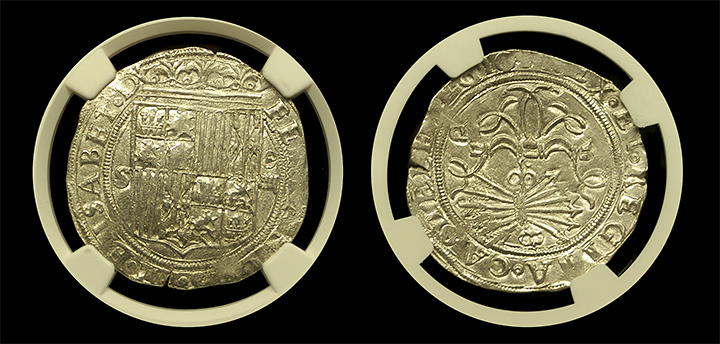
Rare Spanish silver called 4 Reales are coins that we've never seen before. Moreover, certainly not in such a high grade. Ferdinand and Isabella minted these coins. The two who reigned over Spain jointly in the late 1400s, together known as the Catholic Monarchs.
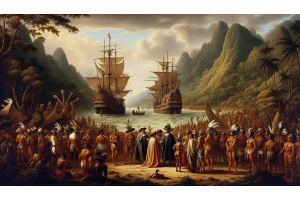
Ferdinand and Isabella of Spain were responsible for funding Columbus' journey to the New World. Silver Four Reales were the circulating currency back in the late 15th century. Some of them are probably the same coins that help to fund these trips. It is important to note, that Explorers didn't intentionally venture out to discover the new world in the Americas. All they want was to amass a fortune. Their true intent was "find a new trade route to China that would bypass the Mediterranean."